Most car owners only find out about car insurance appraisal after they've accepted a check. This site explains the appraisal clause in plain English, shows how total loss and diminished value numbers are built, and gives you free tools to check them. When you want a second opinion, Joseph Dittman, a P.L.A.N.-certified appraiser and umpire, will tell you on the first call whether your dispute is worth pursuing and which route fits.
What an independent auto appraiser looks at
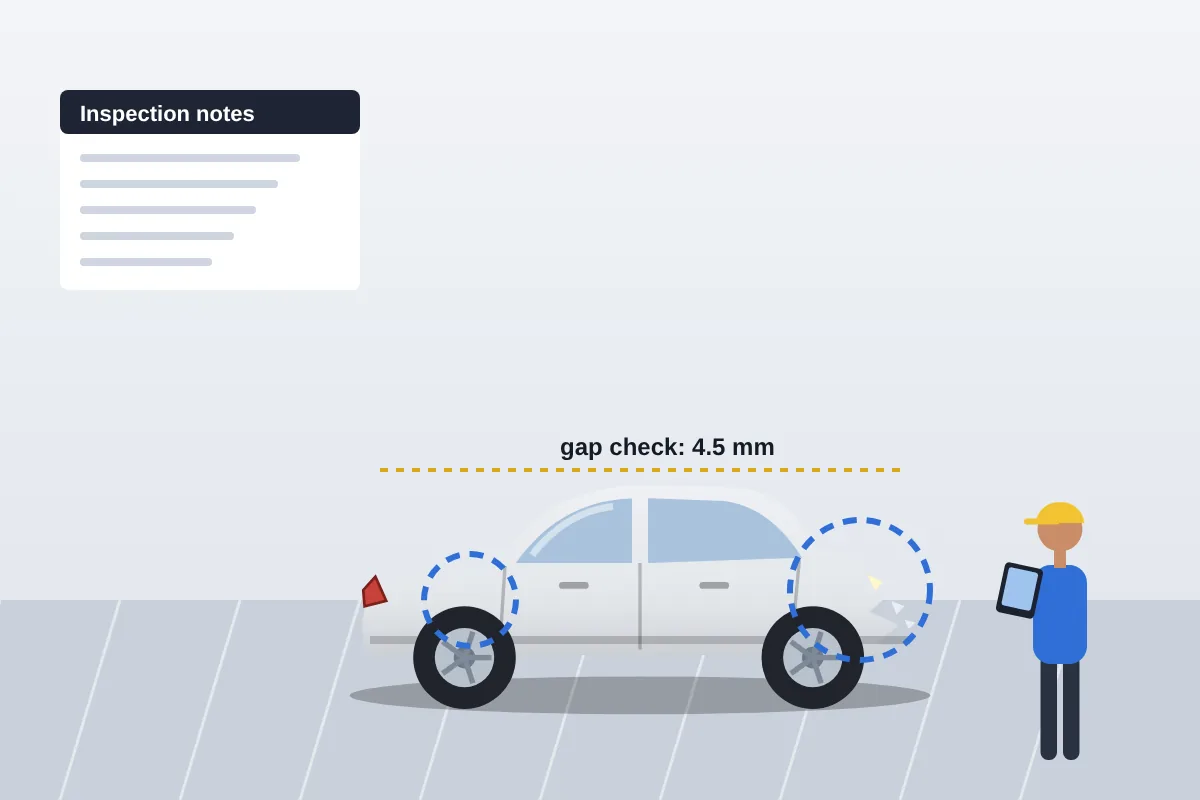
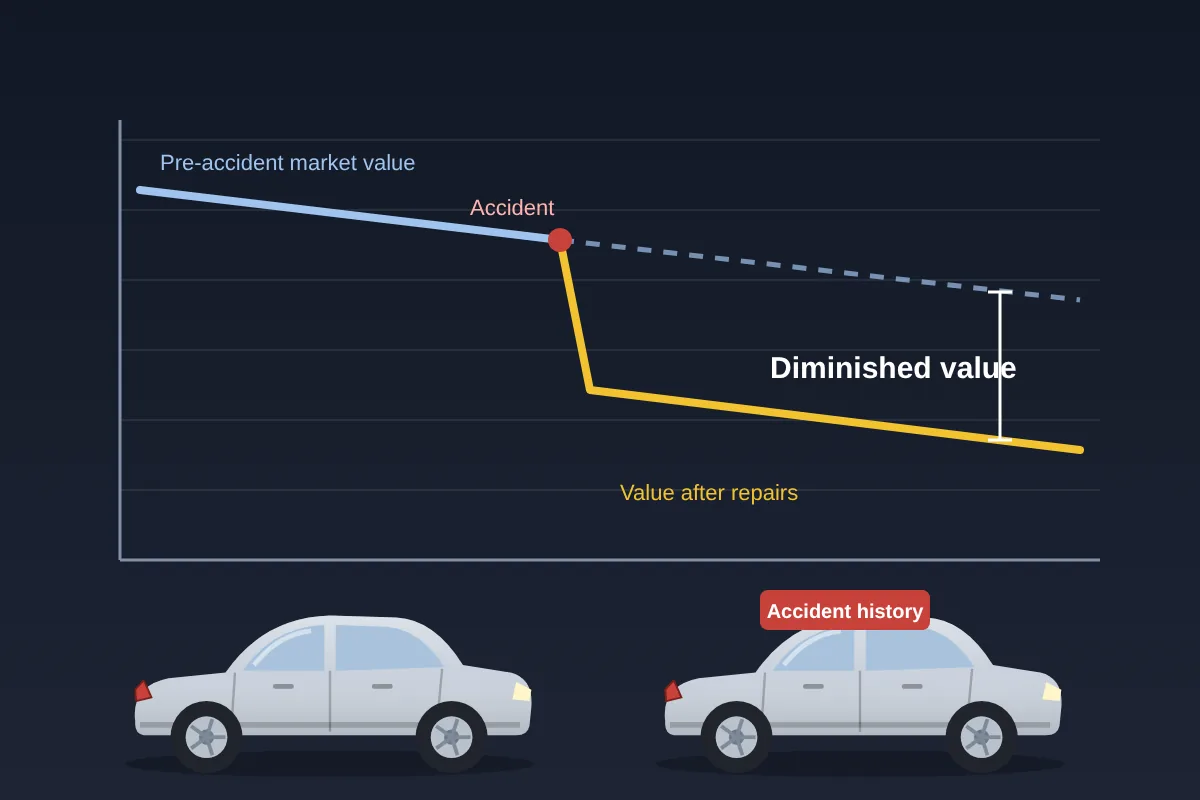
An independent auto appraiser doesn't start from the insurer's conclusion. For a totaled car, that means checking every comparable in the valuation report against your car's trim, options and miles. For a repair, it means comparing the estimate line by line with the shop's and with the manufacturer's repair procedures. For diminished value, it means asking what buyers actually pay for your car with its accident history. The goal is a number you can defend, whether through negotiation or the appraisal clause.
Three disputes, three guides
Each guide below covers one kind of disagreement from start to finish, with an individual page for every sub-topic and links to the blog posts that go deeper.
Check the numbers yourself first
Two free tools let you see roughly where the numbers should land before you call anyone. The diminished value estimator gives a rough range for a repaired car and shows the 17c figure side by side. The total loss ACV worksheet turns your comparable listings into an estimated actual cash value and settlement. Both are clearly labelled estimates, not appraisals.
- 463insurance appraisals closed in 2025
- 8 yrsadjusting claims
- P.L.A.N.certified appraiser and umpire
- $0for the first phone call
How auto insurance appraisal works
Four stages, the same whichever insurer wrote your policy. Most disputes settle somewhere in the first two.
- 1
Check the numbers
Compare the insurer's estimate or valuation with repair quotes, comparables and your policy. - 2
Demand appraisal in writing
Send a written appraisal demand that names your appraiser and the amount in dispute. - 3
Appraisers compare
Each side's appraiser documents the loss and works line by line toward an agreed figure. - 4
Umpire and award
Anything the two appraisers can't settle goes to an umpire; two signatures set the award.
Insurer-by-insurer car insurance appraisal guides
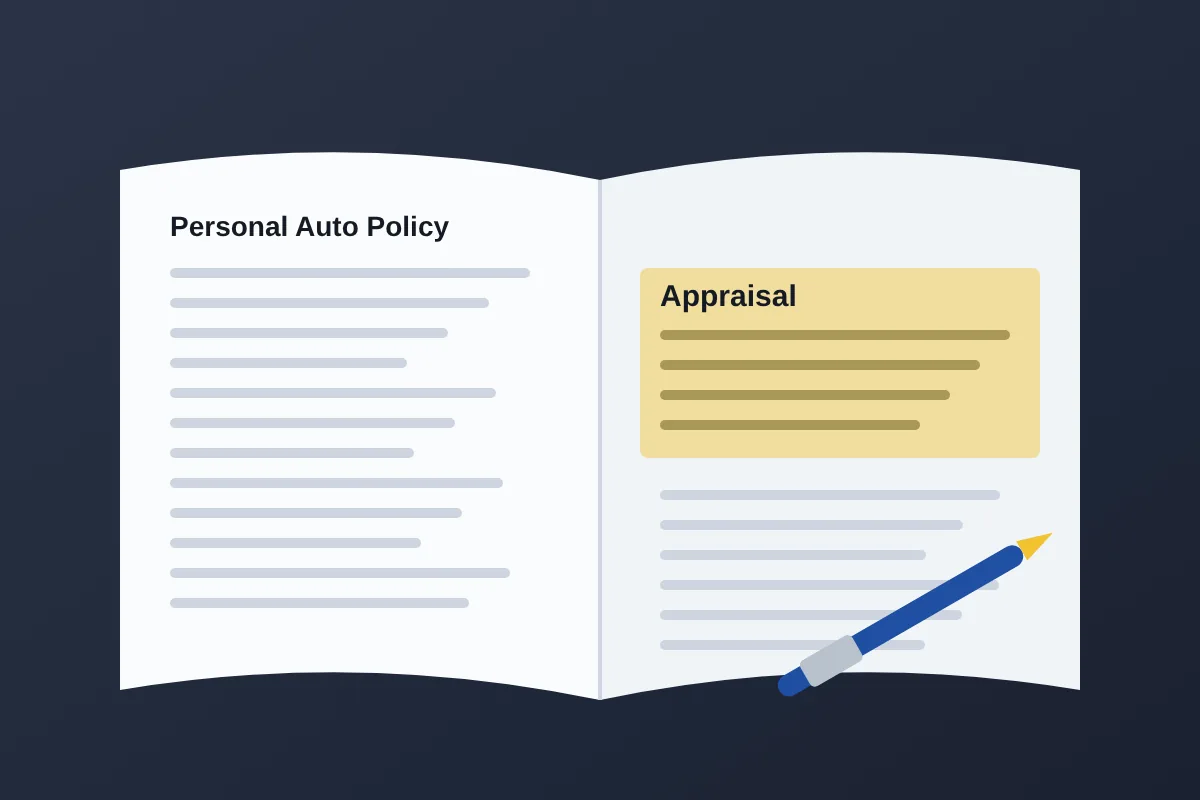
The appraisal process is similar everywhere, but where the paperwork lives and who decides the claim differ. These general guides explain how to invoke appraisal with the largest auto insurers, without quoting any policy.
Who you'll talk to
Joseph Dittman has 8 years adjusting claims, holds a Texas independent adjuster license (#2341686) and the P.L.A.N. umpire and appraiser certification, and closed 463 insurance appraisals in 2025. Most of that appraisal work has been on property claims; the appraisal clause in an auto policy works on the same principles. He's also an ex-construction foreman, which shows in how he reads an estimate. Read his full background.
What we won't do
We won't promise a result, because nobody honest can: outcomes depend on your policy, your state and your evidence. We're not a law firm and don't give legal advice; coverage denials and bad-faith questions belong with a licensed attorney in your state. Some states require auto damage appraisers to be licensed locally; if yours does, you'll hear that upfront, along with where to look.
Recent guides
Questions car owners ask first
What does appraisal mean on a car insurance claim?
It usually means the appraisal clause in your auto policy: when you and your insurer agree the damage is covered but disagree on the amount, either side can demand appraisal, each hires an appraiser, and an umpire settles what they can't agree on. People also use the term for any independent valuation of a claim.
When should I call an independent auto appraiser?
Before you sign a release, title transfer or settlement you disagree with, and once you have the insurer's estimate or valuation report in hand.
Does appraisal cost money?
Under a typical clause you pay your own appraiser and share the umpire's fee. The first phone call to talk through your situation is free.
Can you help with a claim against the other driver's insurer?
The appraisal clause doesn't apply to the other driver's insurer, but evidence still matters. Diminished value and total loss documentation can support a third-party claim.